
When it comes to crafting the perfect pizza, an Outdoor Pizza Oven is an essential tool. Renowned chef and outdoor cooking expert, Tony Gemignani, emphasizes, “The key to great pizza is achieving the right temperature.” Mastering the use of an Outdoor Pizza Oven requires skill and a bit of practice.
Many enthusiasts face challenges, such as uneven heating or dough sticking. Learning to manage these variables is crucial. To achieve perfection, it's vital to understand your oven's quirks. Whether it’s ensuring your oven reaches the ideal temperature or experimenting with wood types, practice makes perfect.
The journey to pizza mastery is often filled with trial and error. Embrace the learning process. Each attempt, no matter how imperfect, contributes to your overall skillset. With patience and attention to detail, your Outdoor Pizza Oven can help you create delicious pizzas that impress friends and family.
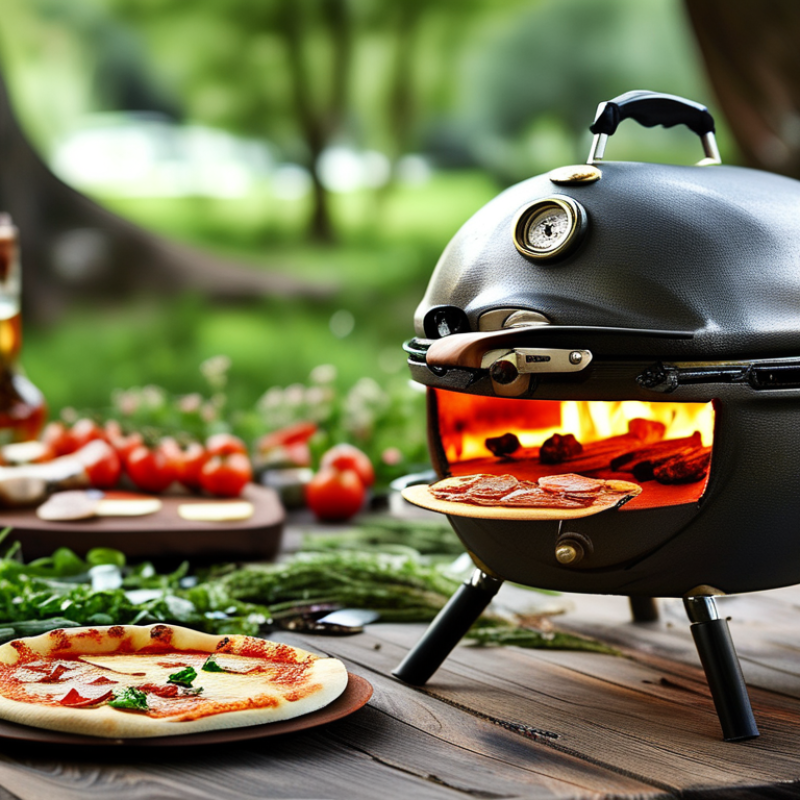
When choosing an outdoor pizza oven, consider your cooking style and space. There are many options available, from wood-fired models to gas-powered ones. Each type has its unique advantages. Wood-fired ovens provide an authentic smoky flavor but can require more skill to use. Gas ovens offer convenience and even heating, making them easier for beginners.
Location matters too. If you have limited space, a compact oven may be ideal. Some models even double as grills, maximizing your outdoor cooking capacity. Check if your chosen oven requires a specific surface, such as tile or stone. This detail can impact where you place the oven and how it integrates into your outdoor area.
A few tips can enhance your pizza-making experience. Always preheat your oven for at least 30 minutes. This step ensures even cooking throughout the pizza. Experiment with different types of flour for your dough. Each flour can bring a different texture and taste to the crust. Lastly, don’t be afraid to make mistakes. Each burnt pizza teaches you something new about temperature and timing. Embrace these learning moments for better results.
| Feature | Description | Recommended Options |
|---|---|---|
| Cooking Surface Size | Determine how many pizzas you want to make at once. | 12-inch, 16-inch, or larger sizes available. |
| Fuel Type | Choose between wood, propane, or electric options. | Wood-fired for authentic flavor, propane for convenience. |
| Temperature Range | Ovens should reach at least 700°F for crispy crusts. | Models that heat quickly and maintain high temperatures. |
| Portability | Consider weight and design if you plan to move it around. | Wheeled options or compact designs. |
| Price Range | Budget versus advanced features and material quality. | $200 - $1500 depending on features. |
| Ease of Use | Look for user-friendly controls and easy ignition. | Push-button ignition models, built-in thermometers. |
| Material | Durability and heat retention properties of the oven. | Stainless steel, clay, or cast iron options. |
: Choose a flat, stable surface. An uneven base can cause fluctuating temperatures.
Use a pizza stone to distribute heat evenly and achieve a crispy crust.
Preheat to at least 700°F (370°C) for the best cooking results.
Each fuel type has pros and cons. Wood offers flavor, while charcoal and gas provide consistent heat.
Measuring ingredients accurately is vital for the best results in your dough.
A 30-minute rest after mixing is essential for relaxed gluten and better shaping.
Yes, experimenting with toppings can change the flavor, but watch ingredient proportions to avoid sogginess.
Over-kneading can lead to a tough crust, which is not desirable for pizza.
If it's sticky, gradually add small amounts of flour while feeling its texture with your hands.
Mistakes happen. If your dough is too dry or wet, learning from these experiences will improve your skills.
When it comes to crafting delicious pizzas, choosing the right Outdoor Pizza Oven is essential for achieving perfect results every time. Different models cater to various needs, so it’s important to select one that suits your cooking style and space. Once you have your oven, setting it up for optimal performance is crucial; ensuring good ventilation and positioning will enhance heat retention and cooking efficiency.
To make the perfect pizza, you'll need essential tools and quality ingredients, along with mastering the techniques for preparing a flawless dough base. Understanding the ideal pizza temperature and cooking time is also vital. With the right approach, your Outdoor Pizza Oven can become a centerpiece of outdoor dining, delivering mouthwatering pizzas that impress family and friends alike.
