
A Pizza Cooker is a dedicated appliance designed to bake pizza with controlled, concentrated heat. Unlike a standard kitchen oven, it often reaches higher temperatures and directs heat toward the crust and toppings. This design can create a firm base, blistered edges, and melted cheese in only a few minutes. It may use gas, electricity, wood, or a combination of heating methods. Each option changes the cooking process, flavor, maintenance, and temperature control.
The basic principle is simple. Heating elements, burners, or a live flame warm the cooking chamber. A stone or steel surface then transfers heat directly to the dough, while hot air cooks the toppings above it. Some models also use convection to distribute heat more evenly. In practical testing, preheating remains essential. A cold surface can produce a pale, soft crust, even when the toppings look finished. Small details matter, too. Dough thickness, moisture, room temperature, and pizza size all influence the result.
That description is useful, but incomplete. A cooker’s performance depends on its insulation, airflow, thermometer accuracy, and the user’s technique. Even an expensive model can disappoint when the door opens repeatedly or the cooking surface is poorly maintained. Reliable guidance should therefore compare specifications with real cooking conditions. This article explains what a Pizza Cooker is, how its heating system works, and which features deserve careful attention before purchase. Some expectations may need reconsideration. Fast cooking does not always mean better cooking.
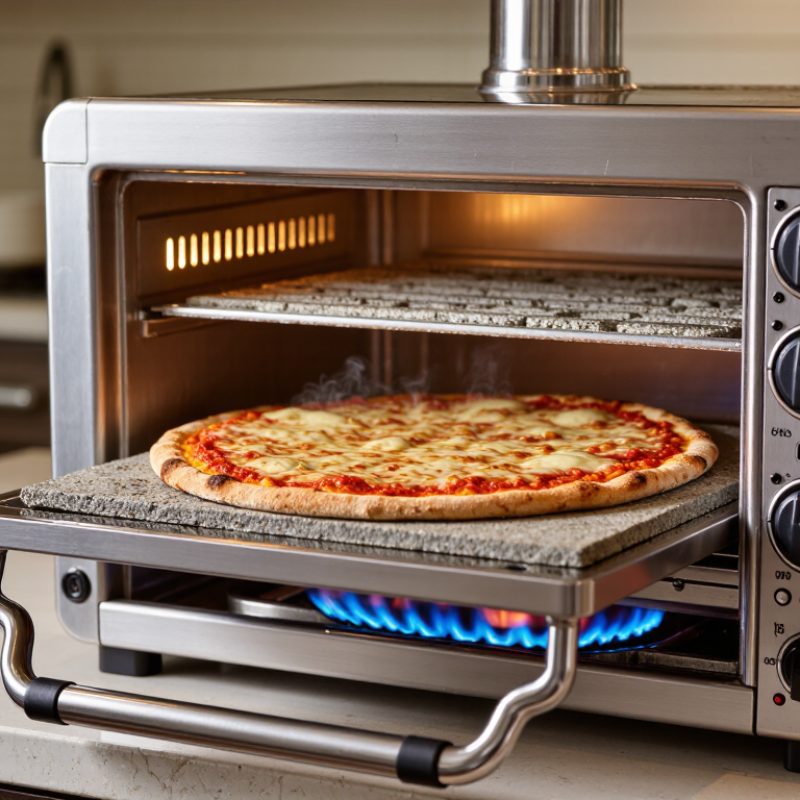
A pizza cooker is a dedicated appliance for baking pizza with controlled, concentrated heat. It may be a countertop unit, built-in oven, or compact outdoor cooker. Unlike a standard oven, it often reaches higher temperatures and directs heat toward the crust and toppings. This design helps create a firm base, melted cheese, and lightly browned edges.
Inside, heating elements or a flame warm the cooking chamber. A stone or steel surface transfers heat directly to the dough. Meanwhile, hot air cooks the toppings from above and around the pizza. Many cookers include a thermostat, timer, and adjustable heat controls. These features support consistent results, although the temperature shown on the display may differ from the surface temperature. A small infrared thermometer can reveal that difference.
Preparation still matters. I usually preheat the cooker fully before adding the pizza, because a cool surface can leave the center soft. A thin layer of flour or cornmeal helps the dough slide, but too much may burn and create smoke. I once trusted the timer too much and overcooked the edges while the middle remained pale. That mistake showed me why turning the pizza can matter. Cooking times also change with dough thickness, topping moisture, and room temperature. Fresh vegetables release water. Use less than you think.
| Data Dimension | Typical Information | How It Works or Why It Matters |
|---|---|---|
| Basic Definition | A pizza cooker is a dedicated appliance or cooking chamber designed to bake pizza using concentrated, circulating, or radiant heat. | It provides controlled heat to cook the crust, melt the cheese, and heat the toppings more evenly than many general-purpose cooking methods. |
| Common Heat Sources | Electric heating elements, gas burners, wood fire, or charcoal. | The heat source determines the cooker’s temperature range, preheating needs, flavor characteristics, and operating requirements. |
| Main Heating Methods | Radiant heat from above or below, hot air circulation, and direct heat from a baking surface. | Radiant heat browns the toppings, circulating air helps cook the pizza evenly, and a hot surface transfers heat directly to the dough. |
| Typical Cooking Temperature | Approximately 200°C–500°C (400°F–930°F), depending on the cooker type and pizza style. | Lower temperatures are suitable for longer-baked thick pizzas, while higher temperatures can produce a quickly baked thin crust. |
| Typical Cooking Time | About 2–20 minutes. | Cooking time depends on the oven temperature, dough thickness, topping quantity, pizza size, and whether the pizza is fresh or frozen. |
| Preheating Time | Usually about 10–45 minutes for compact or household cookers; larger cooking chambers may require longer. | Preheating allows the cooking surface and internal chamber to reach a stable temperature before the pizza is inserted. |
| Cooking Surface | Metal tray, ceramic plate, stone, refractory surface, or perforated pan. | A heated stone or refractory surface can help draw moisture from the dough and support a firmer, more browned crust. |
| Pizza Capacity | One personal-size pizza in a compact cooker; one or more standard-size pizzas in a larger oven. | Capacity is determined by the internal chamber dimensions and the usable cooking-surface area. |
| Temperature Control | Manual heat adjustment, thermostat control, digital settings, or separate controls for upper and lower heat. | Temperature control helps users adapt the cooking process to different crust thicknesses, toppings, and recipes. |
| Airflow and Ventilation | Vents, chimneys, fans, or natural convection pathways. | Airflow removes moisture and combustion gases while helping distribute heat throughout the cooking chamber. |
| Crust Results | Possible results include soft, chewy, crisp, thin, thick, or deeply browned crusts. | The final texture is influenced by temperature, baking time, dough hydration, cooking-surface material, and heat distribution. |
| Suitable Pizza Styles | Thin-crust, thick-crust, pan, flatbread, fresh, and frozen pizza. | Different pizza styles require different combinations of heat intensity, cooking time, surface contact, and moisture control. |
| Essential Accessories | Pizza peel, heat-resistant gloves, baking stone or tray, infrared thermometer, and cleaning brush. | These tools support safe handling, accurate temperature checking, easier loading and removal, and routine maintenance. |
| Energy Considerations | Energy use varies with the heat source, power rating, preheating duration, insulation, and cooking frequency. | Good insulation and efficient preheating can reduce heat loss and help maintain a stable cooking temperature. |
| Safety Features | Heat-resistant handles, insulated housing, automatic shutoff, stable feet, cool-touch controls, or ventilation systems. | These features help reduce the risk of burns, overheating, accidental movement, and unsafe accumulation of heat or fumes. |
| Cleaning Requirements | Remove loose flour and food residue after cooling; clean trays and surfaces according to the cooker’s instructions. | Regular cleaning helps prevent smoke, unwanted odors, burnt residue, and uneven heating during later use. |
| Best Operating Practice | Preheat fully, avoid overloading the pizza with toppings, position it centrally, and monitor the crust during cooking. | These practices improve heat circulation and help the crust and toppings finish at approximately the same time. |
The main types are deck, conveyor, convection, wood- or gas-fired, and compact electric ovens. They create different crusts.
A deck oven heats pizza on a stone or ceramic surface. Heat rises from below, while radiant heat browns the toppings. It suits hand-shaped pizzas with crisp, uneven crusts.
A conveyor oven moves pizzas through a heated chamber on a belt. Operators control the belt speed and temperature. This can reduce variation during busy service. It is not always better.
Fans circulate hot air around the pizza. This supports flexible baking, but strong airflow may dry thin toppings. Careful settings matter.
A cold baking surface can leave the center soft while darkening the edges. A fully heated surface helps the dough rise quickly and form a firmer base. Preheat fully.
Radiant heat browns the surface and melts cheese. Convection cooks toppings through moving hot air. Direct heat from the plate firms the dough underneath.
No. Excessive heat may burn the outside before the middle sets. An air-temperature display may not show the stone’s actual temperature. I once assumed maximum heat was best. That assumption was incomplete.
Thick dough needs different timing than a thin base. Heavy toppings release moisture and can slow baking. Room temperature also affects the result. Pizza is less predictable than it looks.
Test the actual bake instead of trusting the display alone. Use a thermometer to check the cooking surface. Rotate the pizza when needed, and inspect the underside. Record each result.
Consider kitchen size, desired crust, cooking volume, energy use, and recovery time. Compact electric models save space but offer limited cooking room. Wood- or gas-fired models need closer attention and regular cleaning.
A Pizza Cooker is a specialized appliance designed to bake pizza efficiently by combining controlled heat, a suitable cooking surface, and proper airflow. Common types include countertop electric ovens, gas-powered units, wood-fired ovens, and portable outdoor models. Each type produces heat differently, but the goal is the same: to cook the dough evenly while melting the toppings and creating a well-browned crust. Electric models usually rely on heating elements, while gas and wood-fired cookers generate intense heat through combustion.
Cooking performance depends on factors such as maximum temperature, heat distribution, insulation, preheating time, cooking surface, and ventilation. To use a Pizza Cooker effectively, preheat it fully, prepare the pizza to an appropriate size, and position it correctly inside the chamber. Regular maintenance should include removing food residue, cleaning the cooking surface according to its material, checking vents and heating components, and allowing the appliance to cool before storage or cleaning.
