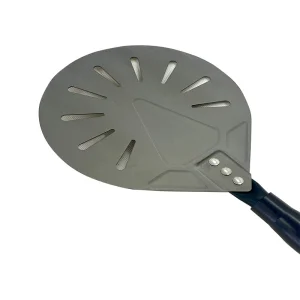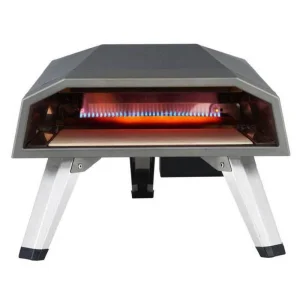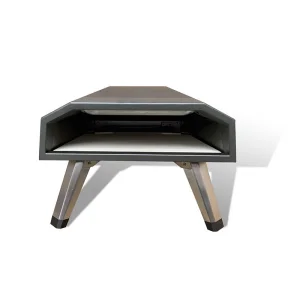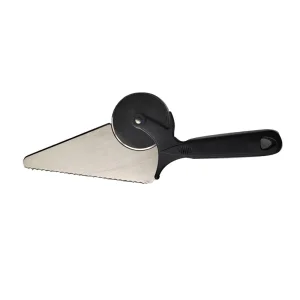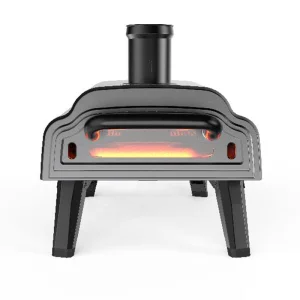
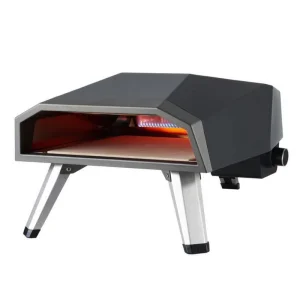

The Tokyo Metropolitan Area represents one of the most vibrant, demanding, and hyper-competitive commercial culinary markets on earth. Home to over 160,000 licensed food service establishments—spanning ultra-dense commercial zones like Ginza, Shibuya, Shinjuku, and Roppongi—Tokyo has cultivated an international reputation for culinary precision. Within this ecosystem, authentic Neapolitan pizza and artisan deck-baked styles have witnessed exponential expansion over the past decade. However, operating a commercial pizza kitchen in central Tokyo imposes extreme physical, thermal, and regulatory constraints that radically differ from Western culinary hubs.
Commercial real estate in central Tokyo commands some of the highest square-meter lease rates globally, resulting in micro-footprint kitchen layouts (frequently under 15 to 25 square meters total back-of-house area). Traditional giant brick wood-fired dome ovens are increasingly impractical for urban Tokyo restaurateurs due to severe floor-load restrictions, stringent exhaust ducting rules under the Tokyo Fire Prevention Ordinance (東京都火災予防条例), soot emission controls, and fuel storage limitations. Consequently, high-performance, compact gas pizza ovens have emerged as the definitive thermal solution for modern Tokyo food service businesses.
This technical whitepaper provides kitchen designers, restaurant franchises, hotel operators, and commercial equipment importers in Tokyo with a comprehensive evaluation of gas-fired thermal dynamics, energy efficiency ratios, fuel infrastructure integration (City Gas 13A vs Propane LPG), safety system engineering, and direct OEM/ODM factory sourcing strategies from Bazon Commercial Appliance Co.
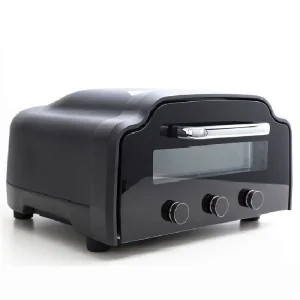
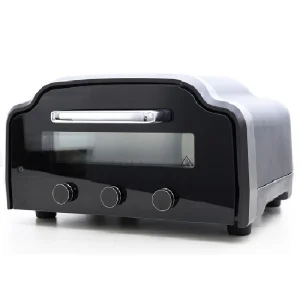
Achieving authentic Neapolitan crust leopard-spotting (cornicione explosion) requires ambient cooking temperatures exceeding 450°C to 500°C, combined with high conductive heat transfer directly from the stone baking deck. Gas pizza ovens engineered by Bazon utilize high-grade, precision-calibrated stainless steel burners (304 grade) designed in L-shape or Horseshoe configurations to establish an optimized radiant flame canopy overhead while heating high-density cordierite stone below.
In standard gas ovens, poor chamber aerodynamics leads to cold spots and uneven baking, requiring the pizzaiolo to constantly turn the pizza manually. Bazon's advanced P200 and P14GW models incorporate rotating cordierite stone mechanisms and computational fluid dynamics (CFD) designed flame reflectors. This ensures that radiant heat sweeps across the upper cheese and toppings at the exact micro-second rate that conductive heat bakes the bottom dough matrix, preventing bottom charring while perfecting top caramelization within 60 to 90 seconds.
| Thermal & Operational Parameter | Traditional Wood-Fired Dome | Standard Commercial Electric Deck | Bazon High-Performance Gas Oven |
|---|---|---|---|
| Pre-Heating Duration | 90 – 120 Minutes | 45 – 60 Minutes | 15 – 20 Minutes (Reaches 500°C) |
| Footprint & Weight Impact | 1,200kg - 2,500kg (Heavy Floor Load) | 150kg - 300kg (Static Deck) | 12.5kg - 35kg (Ultra-Compact & Portable) |
| Fuel Infrastructure Requirement | Hardwood Storage & Flue Scrubber | 3-Phase 200V / High Amperage Grid | LPG Bottled or City Gas 13A Line |
| Hourly Energy Cost in Tokyo | High (Substantial Wood Supply Costs) | High (Peak Tokyo Electric Tariffs) | Optimized Low Cost per Pizza Unit |
| Tokyo Fire Dept Exhaust Compliance | Complex Flue Scrubber & Wet Filter | Standard Hood Ventilation | Streamlined Commercial Hood Interlock |
For Tokyo operators, the operational implications are clear: a gas pizza oven reduced pre-heat time from 90 minutes down to just 15 minutes saves up to 75% in unbilled prep-time fuel, while giving kitchen staff instantaneous thermal responsiveness during peak dinner rush hours in high-volume districts like Shibuya or Shinjuku.
The versatility of Bazon's gas pizza oven matrix enables targeted deployment across diverse culinary business models operating within the Tokyo Metropolitan area and surrounding Kanto prefectures (Kanagawa, Chiba, Saitama):
Upscale trattorias requiring precise temperature repeatability for artisan sourdough and specialty regional Italian recipes. Bazon gas ovens provide micro-adjustable gas flow regulators, allowing executive chefs to lock in exact floor temperatures without relying on wood flame fluctuations.
Mobile food vendors and event caterers operating around Yoyogi Park or outdoor festivals require lightweight, highly portable propane (LPG) pizza ovens. Models like the Bazon P14GW weigh under 15kg, making them mobile powerhouses capable of producing 60 pizzas per hour on-site.
Traditional Tokyo Izakayas (Japanese pubs) seeking to expand late-night menus with high-margin craft pizzas. The compact footprint allows easy countertop installation under existing exhaust hoods without expensive kitchen restructuring.
Resort dining and outdoor terrace venues in Yokohama, Kamakura, and Nagano utilizing dual-fuel (Gas & Wood pellet) versatility to offer customers authentic wood-smoke aromatics combined with the reliable speed of gas heating.
Importing and operating gas-fired commercial appliances in Japan requires strict adherence to legal safety protocols governed by the Ministry of Economy, Trade and Industry (METI), the High-Pressure Gas Safety Act (高圧ガス保安法), and local municipal fire departments. Bazon has engineered its exported gas appliances specifically to meet or exceed these exacting Japanese and international standards.
Bazon, located in Shanghai, was established in 2008, is a family-owned production company with an external inspection box and a related manufacturer, with excellent quality and quantity. We hope to create a huge profit with our commercial business, we strive to update technology, create a product that is destined for our customers, and enjoy our product during their lives.
At present, Bazon has an experienced R&D team and professional business team. At the same time, we have established our own brand Softer, our products include P14GW, P140, P200 models, which can meet your different needs. The current P200 pizza oven can reach a maximum temperature of 500°C in 15 minutes. Then you can cook pizza in 60 seconds! We have leading service, excellent quality, and competitive product cost.
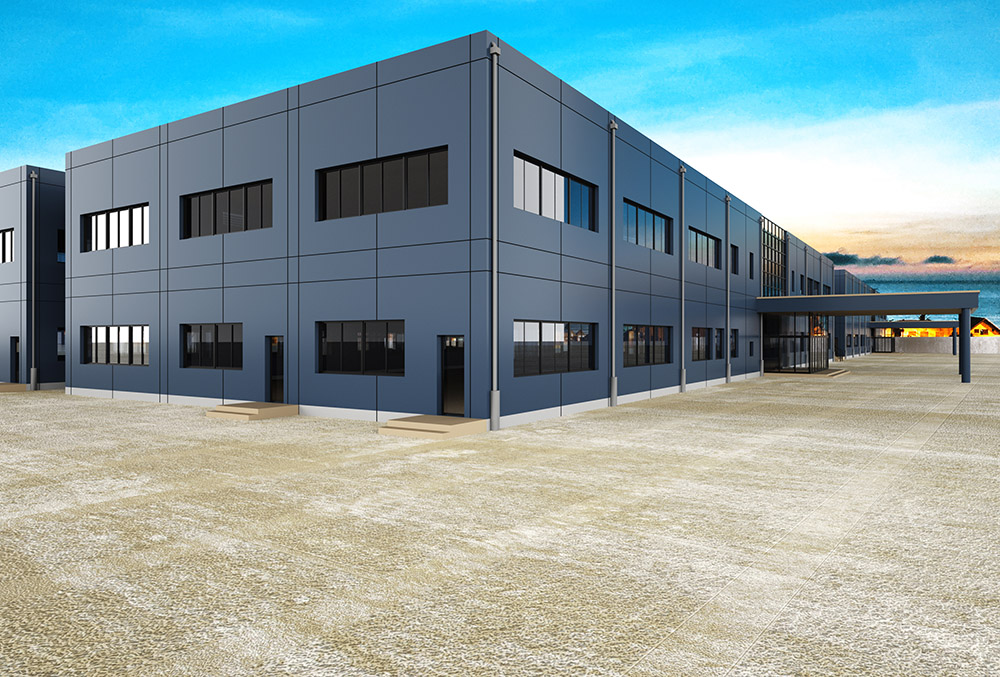
100% of our products pass many rigorous tests before shipping. Bazon has always focused on its internationalization strategy and actively developed overseas markets. At present, our business covers more than 60 countries in Europe, America, Asia, etc. People can see scooters, e-bikes, go karts and golf carts from Bazon everywhere. More and more professional customers tend to choose and trust Bazon.
1. Rich and diverse professional product production: Complete spectrum of commercial gas, electric, dual-fuel ovens, and accessory tooling.
2. Modern sleek design: Ergonomic aesthetic engineered not to tire operators during intense multi-hour shifts.
3. Durable and easy to transport: Reinforced chassis designs engineered for global sea/air freight and seamless mobility.
4. Extraordinary performance: Instantaneous heat recovery, high thermal retention, easy and quick operation.
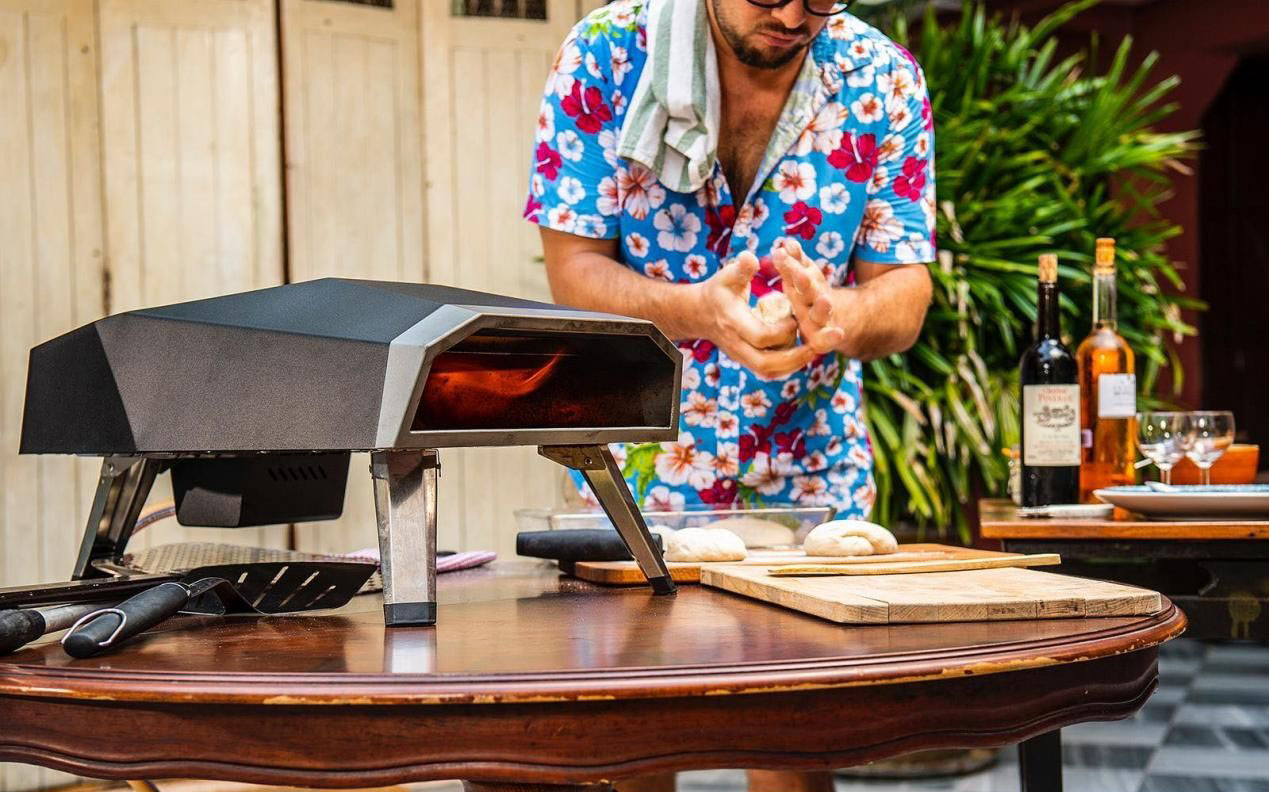
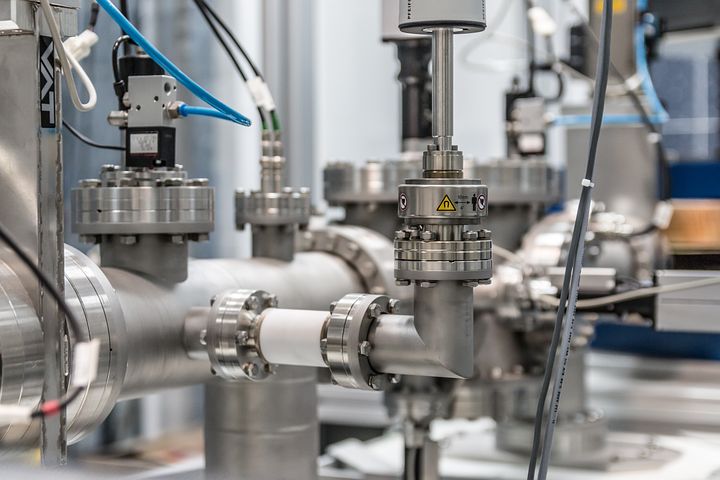
Bazon adheres to the principles of integrity, responsibility and win-win. It drives the R&D process with customer needs and continuously innovates in technology, product solutions and business management to be the best choice for shared business and bulk ordering kitchenware such as ovens. Our tenet is integrity and friendliness, unity and sharing, customer first.
As commercial kitchens in Tokyo accelerate toward carbon-neutral goals, digital automation, and extreme energy conservation, Bazon’s R&D laboratory in Shanghai is spearheading three breakthrough engineering initiatives for upcoming production generations:
Developing ultra-clean burner heads capable of burning a 20% Hydrogen / 80% Natural Gas blend without flash-back risks, lowering carbon emissions for urban Tokyo establishments.
Integrating Bluetooth/Wi-Fi digital thermocouples that sync with kitchen management systems to log real-time stone heat profiles and automatically modulate gas consumption.
Replacing conventional fiberglass with high-density vacuum aero-gel panels to reduce oven shell thickness by 35% while retaining 98% internal heat capacity.
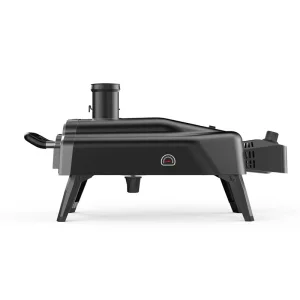
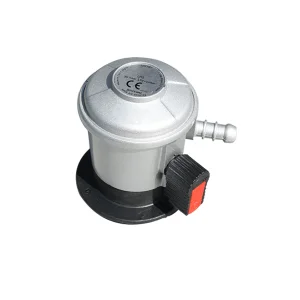
Yes. Bazon offers dedicated injector nozzle conversion kits and dual-calibrated gas valves. When ordering for the Tokyo market, clients can specify whether they require standard LPG (portable tank pressure) or City Gas 13A (piped municipal pressure at 2.0 kPa), and our engineering team will factory-set orifice sizes accordingly.
Bazon gas pizza ovens reach their maximum operating temperature of 500°C (932°F) in approximately 15 minutes. In contrast, standard commercial electric deck ovens take 45 to 60 minutes to reach equivalent temperatures. This rapid warm-up significantly reduces kitchen wait times and utility overhead in high-cost commercial districts like Ginza or Shibuya.
Yes. Bazon ovens feature integrated Flame Failure Devices (FFD) that automatically shut off the gas supply if the flame drops out. When installed beneath standard commercial kitchen canopy hood exhaust systems with proper thermal clearance (as specified in our installation manuals), they comply with Japanese commercial kitchen safety rules.
For customized OEM branding (custom color powder coating, laser-etched stainless logos, bespoke packaging, or custom gas regulators), our standard factory MOQ starts at 50 to 100 units. Standard production lead times are 20 to 30 days, followed by direct container shipping from Shanghai port to Tokyo (Yokohama Port) in approximately 3 to 5 days sea transit.
The automated rotating cordierite stone ensures 360-degree uniform thermal exposure. This eliminates the need for manual peel intervention during the 60-second bake cycle, allowing even junior kitchen staff in fast-paced Tokyo restaurants to produce consistently baked Neapolitan crusts with perfect leopard spotting.
Room 3A05, Building E, No.1777 Hualong Road, Huaxin Town, Qingpu District, Shanghai, China.
+86 13651663654
24-Hour Online Commercial Service